
Oktoberfest 2026: Dates, Duration, Prices and What You Really Need to Know
|
Time to read 9 min


|
Time to read 9 min
Munich's Oktoberfest 2026 will take place from September 19 to October 4, 2026. Two weeks of Volksfest at Theresienwiese, 16 tents, over six million visitors from around the world, and one question almost everyone asks: What do I need to know before I go? This guide answers exactly that. Dates, duration, prices, travel, Tracht, and the tips that make the difference between a good and a great Wiesn day.
Why you can trust us:
✓ We are experts in Tracht fashion and Dirndl for over 5 years
✓ We have already dressed over 10,000 Wiesn visitors
✓ We follow the latest Tracht trends and know the newest collections
Want to learn more? Visit our store
Table of Contents:
Oktoberfest 2026 begins on Saturday, September 19, 2026 and ends on Sunday, October 4, 2026. That's 16 days of Volksfest at Theresienwiese in Munich.
The official opening takes place on the first Saturday with the ceremonial tapping of the keg at Schottenhamel tent. The mayor or lord mayor taps the first barrel and gives the traditional "O'zapft is!" signal, marking the official start of beer service. From that moment on, beer can be served in all tents.
The opening hours of the festival tents:
The festival grounds themselves are open longer. Showmen, rides and outdoor areas are accessible until 11:30 PM. However, the tents close at 10:30 PM, and anyone who hasn't secured a spot must stay outside.
An important note for families: On weekends, and especially during the first week, Oktoberfest is significantly more crowded. During the week, especially Tuesday through Thursday, the tents are more accessible, there are more available seats, and the atmosphere is more relaxed.

Oktoberfest is part of UNESCO's Intangible Cultural Heritage and is the world's largest Volksfest. Over six million visitors come every year, around a third of them from abroad. The economic impact for Munich and the region exceeds 1.2 billion euros. For comparison: Germany's second-largest Volksfest, Cannstatter Wasen in Stuttgart, attracts around 4 million visitors.
Oktoberfest traditionally takes place at Theresienwiese, an area of around 42 hectares in the heart of Munich. The area is equivalent to about 60 football fields. The meadow is named after Princess Therese of Saxe-Hildburghausen, whose wedding to Crown Prince Ludwig on October 17, 1810, marked the first celebration. The festival has been held annually since then, with exceptions for wars, cholera epidemics, and most recently the Corona years 2020 and 2021.
The question "What does a Maß of beer cost at Oktoberfest?" is the most searched topic around the festival every year. Here are the realistic numbers for 2026:
Beer prices 2026 (estimate, prices will be announced in spring):
Beer prices increase by an average of 3 to 5 percent each year. In 2025, a Maß cost between 15.30 and 15.80 euros depending on the tent. Slight increases are expected for 2026.
Food prices 2026:
What does an Oktoberfest day cost in total?
A realistic calculation for one person, excluding travel and accommodation:
Anyone planning a long day, with more rounds and dinner in the tent, should budget 150 to 180 euros. Cash is mandatory. Card payment is becoming more common but is not available everywhere. Especially with waiters in the tent, cash always works.

Admission and cloakroom: Admission to the festival grounds is free. This is one of the major differences from Cannstatter Wasen, where parking fees apply. Within the grounds, many attractions are free. Payment is only required for rides (3 to 5 euros per ride), cloakroom (2 to 4 euros), and of course food and drinks.
Tipping the waiter is not mandatory, but customary. 1 to 2 euros per Maß is the norm. Those who don't tip will still get their beer, but will wait longer. A good relationship with the waiter pays off during a long Wiesn day.
Getting to Oktoberfest is easy if you plan it right. By car, it's complicated.
The best way to get there:
The most important tents at a glance:
Reservations: Without a reservation, there's hardly any chance of sitting at one of the coveted tent tables from around 11 AM. Anyone who wants to sit must have a reservation or arrive early (from 9 or 10 AM). Reservations are usually distributed from March or April via the official tent websites and are booked out within hours. For 2026: Anyone who doesn't react in spring will very likely be out of luck.
Tracht is not mandatory at Oktoberfest, but it's the heart of the festival. Anyone coming in normal everyday wear will quickly feel out of place. The good news: A good Dirndl or Lederhose makes half the Wiesn day.
For ladies: The Dirndl
The classic Dirndl consists of a dress, Dirndlbluse and apron. For Oktoberfest:
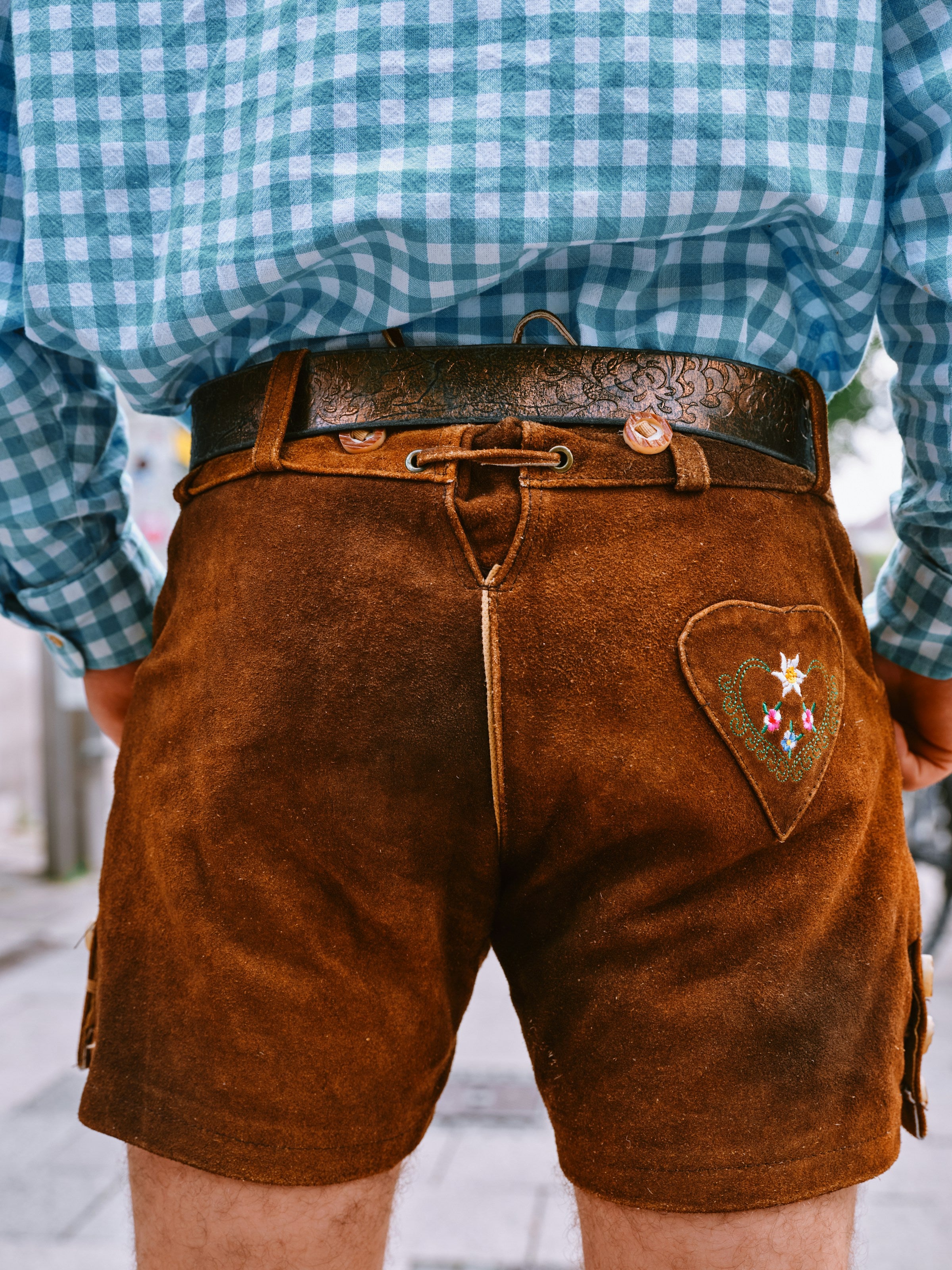
For gentlemen: Lederhose and Tracht shirt
The classic Lederhose for Oktoberfest is the short or knee-length Lederhose with Trachtenhemd. Tracht socks and Haferlschuhe go with it. A Trachtenjanker makes sense for cooler evenings. Lederhose is an investment. A good Lederhose lasts decades and gets better with every year.
Find the complete guide to Oktoberfest outfits for ladies here: Wiesn Outfit Ladies. For gentlemen: Oktoberfest Outfit Men.
You either know Oktoberfest or you don't. These tips come from those who know it:
Timing:
Practical tips:
Tracht and shoes:
What many underestimate:
Everything you need to pack for a perfect Wiesn day can be found in the Oktoberfest packing list.

Oktoberfest 2026 runs from September 19 to October 4, 2026, at Theresienwiese in Munich. 16 days, over 30 tents, and millions of visitors from around the world. Anyone who goes prepared, with Tracht, reservation, cash, and a few real insider tips, experiences one of the best folk festivals in the world. Anyone who comes unprepared will, at the latest on Sunday afternoon, stand in front of a full tent and wonder why they weren't there earlier. Now you know.
If you're looking for a new Dirndl that is easy to care for and high quality, visit our store
Discover Wiesn Tracht now
Oktoberfest 2026 takes place from September 19 to October 4, 2026. The official opening with the ceremonial tapping is on Saturday, September 19, 2026. The festival runs for 16 days at Theresienwiese in Munich.
Oktoberfest lasts 16 to 18 days. It always starts on the last Saturday in September and ends on the first Sunday in October. If the first Sunday in October falls too early, the festival is extended by several days to last at least 16 days.
Beer prices for 2026 will be announced in spring. Based on price developments in recent years, 16.00 to 17.00 euros per Maß (1 liter) is realistic. In 2025, the price was between 15.30 and 15.80 euros depending on the tent.
Half a roast chicken costs at Oktoberfest depending on the tent approx. 16 to 19 euros. A pork knuckle is around 24 to 28 euros. Brezn cost between 4 and 6 euros.
No, admission to the festival grounds is free. Payment is only required for rides, cloakroom, food and drinks. This is one of the reasons why Munich's Oktoberfest attracts so many visitors.
While Tracht is not mandatory, it is clearly the norm at Oktoberfest. Ladies wear Dirndl with blouse and apron, men wear Lederhose with Trachtenhemd. Flat shoes are important, as there is a lot of walking and standing. If you don't have your own Dirndl, you can find the right Wiesn Tracht at dirndl.com.
Best by S-Bahn (S1 or S2, stop Hackerbrücke) or U-Bahn (U4 or U5, station Theresienwiese). By car is not recommended due to lack of parking. Taxi and ride-sharing become very expensive after 8 PM and have long queues.
Discover Traditional Outfits

Stay up to date
Sign up and be the first to find out about new collections, exclusive offers and styling tips for your perfect traditional outfit.


